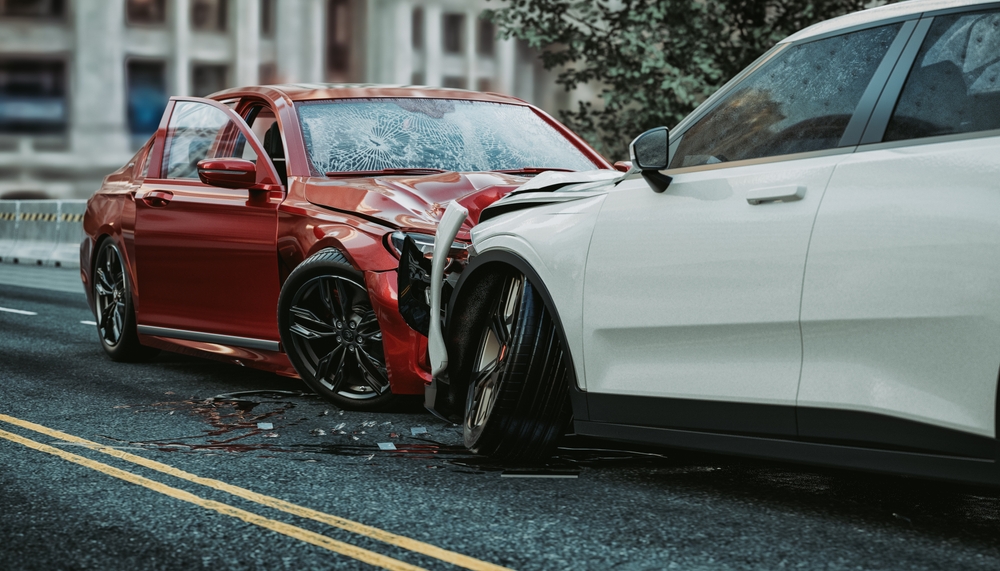
What to Expect From Auto Body Repair in Visalia, CA After a Car Accident
September 13, 2026 4:10 pm Leave your thoughtsA car accident can turn an ordinary drive through Visalia into a stressful situation in seconds. Once everyone is safe and the immediate details are handled, the next question is often what happens to your vehicle and how the collision repair process actually works.
Quick answer: Auto body repair after a car accident typically starts with a damage assessment and repair estimate, followed by insurance coordination when applicable, disassembly, structural or body repairs, paint preparation and refinishing, reassembly, and final quality checks. The exact process depends on the location and severity of the damage, the parts needed, and whether hidden damage is discovered after the vehicle is taken apart.
What local drivers should know
-
Visible dents and scratches may not show the full extent of collision damage, so a professional inspection can be important after an accident.
-
Drivers traveling busy routes such as Highway 198 and Highway 99 may experience anything from minor bumper damage to more extensive collision damage.
-
Repair timing can change if replacement parts need to be ordered or additional damage is discovered during disassembly.
-
Paint repair involves more than applying a matching color because preparation, blending, and finishing affect the final appearance.
-
Drivers from Visalia and surrounding Tulare County communities should understand the repair plan before work moves forward.
Why Does the Auto Body Repair Process Matter After an Accident?
The auto body repair process matters after an accident because collision damage can affect much more than the appearance of a vehicle, including panels, mounting points, structural components, lights, and other systems. A thorough process helps identify what was damaged and determines which repairs are appropriate before the vehicle returns to regular use.
That can be especially relevant for local drivers who regularly travel Highway 198, Highway 99, Mooney Boulevard, Mineral King Avenue, and other heavily traveled roads in and around the city.
At Toms Body & Paint Inc., we understand that most customers are not collision repair experts and may be dealing with this process for the first time. Our role is to help customers understand the damage and the steps involved in repairing their vehicle.
What Happens During an Auto Body Damage Assessment?
An auto body damage assessment identifies visible collision damage and helps establish the initial repair plan, although additional damage may become apparent once damaged parts are removed. Technicians examine the affected areas and determine which components may need repair, replacement, refinishing, or further inspection.
A vehicle with what looks like bumper damage, for example, may need closer examination of components behind the bumper cover. Likewise, damage around a door, fender, quarter panel, or hood can involve adjoining parts that are difficult to evaluate from the outside.
For drivers throughout Tulare County, this is why an estimate should be viewed as the beginning of the repair process rather than simply a price attached to visible dents.
What Can Local Drivers Expect During Collision Repair?
Local drivers can expect collision repair to move through several stages, including estimating, disassembly when needed, body or structural work, refinishing, reassembly, and final inspection. Not every accident requires every type of repair, so the actual workflow should reflect the vehicle’s specific damage.
Once repairs begin, damaged exterior parts may be removed so technicians can access affected areas. Repairable panels may be restored, while parts that cannot appropriately be repaired may need replacement.
If structural areas are involved, those repairs require attention before cosmetic refinishing is completed. After body work, surfaces that require paint are prepared for refinishing. Repaired components are then reassembled and checked as part of the completion process.
What Warning Signs Should You Watch for After a Collision?
Warning signs after a collision include more than obvious dents because changes in panel alignment, lighting, doors, driving behavior, and visible gaps can indicate damage that deserves professional attention. Even a relatively low-speed accident in Visalia can leave damage that is easier to notice once you inspect the vehicle carefully.
Watch for:
-
A bumper, hood, trunk, or door that no longer sits evenly.
-
New or uneven gaps between adjacent body panels.
-
Cracked, loose, or damaged headlights and taillights.
-
Paint cracking, chipping, or separating near the impact area.
-
A door, hood, or trunk that is difficult to open or close.
-
Parts underneath the vehicle that appear loose or displaced.
-
New noises that began immediately after the accident.
-
Damage near wheels or other areas that could affect safe operation.
If you are unsure whether a vehicle is safe to drive after a crash, do not rely on appearance alone.
When Should You Call an Auto Body Repair Professional?
You should contact an auto body repair professional when collision damage involves more than a superficial mark or when you cannot confidently determine the extent of the damage. A professional assessment is especially appropriate when panels are misaligned, lights are damaged, parts are loose, or the impact may have affected areas hidden behind exterior panels.
A small cosmetic mark can sometimes be monitored while you arrange an estimate. Damage that could affect safe vehicle operation requires more caution.
Visalia drivers should also avoid assuming a vehicle is fine simply because it still starts and moves. Collision damage can extend beyond what is immediately visible from a driveway or parking space.
What Common Types of Collision Damage Occur Around Visalia?
Common collision damage around Visalia can include bumper damage, dents, scraped or cracked paint, damaged exterior panels, broken lights, and more extensive damage from higher-energy impacts. The specific damage depends primarily on the direction, location, and force of the collision rather than where the crash occurred.
Local driving conditions create many opportunities for different types of impacts. Stop-and-go traffic can produce front- and rear-end damage, while parking lots around Mooney Boulevard and other commercial areas can lead to bumper scrapes, door damage, and dents.
Highway collisions on routes such as 198 or 99 can potentially involve more substantial damage because travel speeds may be higher.
How Can You Protect Your Vehicle After an Accident?
You can protect your vehicle after an accident by documenting visible damage, avoiding unnecessary driving when safety is uncertain, and arranging a professional assessment before minor-looking damage becomes easy to overlook. Taking a methodical approach can also make conversations about repairs and insurance easier.
Photograph the vehicle and affected areas when it is safe to do so. Keep accident-related paperwork together, and note any changes you observe after the collision.
Do not attempt DIY pulling, hammering, sanding, or painting simply to make collision damage look better before an assessment. Those steps can complicate proper repair and refinishing.
What Results Should You Expect From Professional Auto Body Repair?
Professional auto body repair should address the collision damage included in the repair plan and restore repaired areas using appropriate body and refinishing procedures. The exact result and scope depend on the damage, vehicle condition, parts involved, and repairs authorized for that particular job.
Customers should expect communication about the repair scope and any significant changes discovered after work begins. Hidden collision damage can affect both the repair plan and completion timeline.
We want drivers to understand what is being repaired and why, rather than feeling like their vehicle disappears into a shop with no explanation of the process.
What Mistakes Should Visalia Drivers Avoid After an Accident?
Visalia drivers should avoid judging damage only by appearance, attempting complicated body repairs themselves, and assuming the first estimate can account for every hidden condition. A more careful approach helps prevent misunderstandings and makes it easier to address collision damage correctly.
One common mistake is focusing only on the largest visible dent. The consequence is that related damage can be overlooked. A better approach is to have the entire impact area evaluated.
Another mistake is trying to straighten or repaint damaged panels at home. Poor preparation or incorrect repair techniques can create additional work. Professional assessment is the better approach when collision damage goes beyond a simple cosmetic blemish.
Finally, drivers sometimes expect an exact completion date before disassembly. Parts availability and hidden damage can change a repair timeline, so it is more useful to ask what factors could affect completion.
What Is a Common Auto Body Repair Scenario in Visalia?
A common local scenario is a driver being hit in traffic and initially seeing only bumper and exterior panel damage, then learning during the repair assessment that adjoining components also need attention. This is an example of how collision repairs can evolve as technicians gain better access to the damaged area.
Imagine a driver traveling near downtown Visalia or along Mooney Boulevard who is involved in a rear-end collision. The bumper cover may show obvious damage, but an exterior inspection cannot necessarily reveal everything behind it.
This is not a specific customer case. It illustrates why a complete assessment and, when necessary, disassembly are important parts of the collision repair process.
Which Auto Body Services May Be Needed After a Crash?
The services needed after a crash may include collision repair, dent and body repair, replacement of damaged exterior components, paint preparation and refinishing, and inspection of affected areas. The right combination should be based on the vehicle’s actual condition rather than a one-size-fits-all repair package.
Our goal is to identify the work relevant to the collision and help customers understand the next steps.
How Do Repair and Replacement Options Compare?
Repairing a damaged component may be appropriate when it can be restored properly, while replacement may be necessary when the damage or condition makes repair unsuitable. The best option depends on the specific component, extent of damage, repair procedures, parts availability, and overall repair plan.
A dented panel, for example, presents a different decision than a severely damaged or torn component. Similarly, cosmetic damage does not automatically mean a part needs replacement.
Rather than assuming that repair is always cheaper or replacement is always better, local drivers should evaluate each damaged component as part of the complete collision repair plan.
What Areas Can Visalia Drivers Consider for Local Collision Repair?
Drivers in Visalia and surrounding Tulare County communities can benefit from choosing collision repair service that is convenient enough for estimates, communication, and vehicle pickup. Local customers may come from communities such as Tulare, Farmersville, Exeter, and other nearby areas of the Central Valley.
Choosing a local shop can also make it easier to ask questions and stay informed as the repair progresses.
What Can Happen If Collision Damage Is Ignored?
Ignoring collision damage can allow unresolved problems such as loose components, damaged paint, misaligned panels, or hidden impact damage to remain with the vehicle. The consequences vary widely, which is why significant accident damage should be assessed instead of being dismissed based only on appearance.
Paint damage can expose underlying surfaces, while damaged exterior parts may loosen or fit incorrectly. More importantly, a driver may not know whether an impact affected components behind the visible damage.
FAQ About Auto Body Repair in Visalia, CA
These frequently asked questions cover what Visalia drivers commonly need to understand about estimates, repair timelines, hidden damage, paint work, and post-accident inspections. Every collision is different, so answers about a particular vehicle ultimately depend on an inspection of its actual damage.
How long does auto body repair take in Visalia, CA?
Auto body repair time in Visalia depends on the extent of the damage, required repair procedures, parts availability, refinishing needs, and whether additional damage is discovered. Minor repairs may require less work than extensive collision repairs. A shop can provide better timing information after evaluating the vehicle and developing the repair plan.
Can hidden damage be found after an auto body estimate?
Yes. Hidden damage can be discovered after damaged panels or components are removed because an initial estimate cannot always reveal everything behind the exterior surfaces. If additional collision damage is found, the repair plan may need to be updated before work proceeds.
Should I get my vehicle inspected after a minor accident in Visalia?
Yes, a professional assessment can be worthwhile when a minor accident leaves visible damage or you are unsure what was affected. Even when a Visalia collision appears cosmetic, exterior panels can make it difficult for a driver to see components behind the point of impact.
Can damaged auto paint be repaired after a Tulare County accident?
Yes, collision-related paint damage can often be addressed as part of professional auto body refinishing, depending on the condition of the underlying panel. Proper refinishing involves surface preparation and other steps beyond simply covering a scratch with new paint. The damaged area should be evaluated before choosing a repair method.
Why did my repair estimate change after work started?
A repair estimate may change when disassembly reveals damage that could not be fully identified during the initial exterior inspection. Parts needs or other repair requirements can also become clearer during the process. The shop should explain significant changes so you understand why the repair plan has been updated.
Is it safe to drive a damaged car around Visalia?
It depends on what was damaged. Cosmetic marks do not necessarily prevent a vehicle from being driven, but loose components, damaged lights, wheel-area damage, or other safety concerns require more caution. If you cannot determine whether the vehicle is safe, have it professionally assessed before continuing to drive it.
What should I bring when getting a collision repair estimate?
Bring the vehicle and any relevant accident or insurance information you have available. Photos and claim details may also be useful when applicable. The most important step is allowing the damaged areas to be examined so the repair facility can begin identifying the work the vehicle may require.
Should I repair small dents after a parking lot accident in Visalia?
Small dents are worth evaluating if the impact also damaged paint, changed panel alignment, or affected nearby components. Parking areas around Visalia can produce seemingly minor door, fender, and bumper damage. An assessment can help distinguish a straightforward cosmetic repair from damage that needs more extensive attention.
Get Back on the Road With a Clear Collision Repair Plan
After an accident in Visalia, understanding the repair process can make an unfamiliar situation easier to manage. We can evaluate the collision damage, explain the repair process, and help you understand what your vehicle may need.
Categorised in: Collision Repair
This post was written by admin